They said they tripped on the rug. They said it wasn’t a big deal. No sirens, no broken bones, no emergency room bills. “I’m fine,” they insisted, brushing the dust off their knees with a shaky hand.
But within weeks, the vibrant, independent person you knew has started to shrink. They stop going for their morning walk. They decline invitations to lunch. They spend more time in the recliner and less time in the garden. Because the truth is, most falls don’t just leave bruises. They leave a trail of fear, hesitation, and a silent shift in the power dynamic of care.
At Willow & Wells, we believe that a fall is rarely an isolated “accident.” It is a diagnostic event—a signal from the body that something in the environment or the physiology has shifted. Understanding this is the first step in why we exist: to stop the cycle of crisis before it starts.
1. The Anatomy of a Trip: Why “Accidents” Are Usually Signals
When an older adult falls, our instinct is to look at the floor. We blame the rug, the pet, or the lighting. While those are factors, a fall is often the outward symptom of an internal change.
A fall is often the first red flag for:
- Orthostatic Hypotension: A sudden drop in blood pressure when standing up, often caused by dehydration or medication.
- Proprioception Loss: The body’s inability to sense its position in space, frequently linked to vitamin deficiencies or neurological shifts.
- The Medication Connection: As we discussed in our blog, polypharmacy (taking multiple meds) is a leading cause of dizziness.
- Silent Infections: In seniors, a Urinary Tract Infection (UTI) doesn’t always cause a fever; instead, it causes sudden confusion and loss of balance.
If someone who “never falls” suddenly does, it isn’t bad luck. It’s a message.
2. Post-Fall Syndrome: The Emotional Injury
The physical injury may heal in days, but the emotional impact—Post-Fall Syndrome—can last a lifetime. This is a recognized psychological condition where the fear of falling again becomes so paralyzing that it leads to a self-imposed “house arrest.”
The Cycle of Decline:
- The Fall occurs.
- Fear sets in. The senior becomes hyper-aware of every step.
- Activity decreases. To avoid falling, they stop walking, stretching, and moving.
- Atrophy begins. Muscles weaken from disuse, and balance worsens.
- The Second Fall happens. Because the body is now weaker, this fall is almost always more damaging than the first.
Breaking this cycle requires more than just physical therapy; it requires an approach that restores confidence and dignity. This philosophy is at the heart of our mission, which you can read more about in our from the founder note.
3. The Statistics You Can’t Ignore
We don’t share statistics to cause panic, but to provide perspective. According to the CDC:
- One in four adults over the age of 65 falls each year.
- Falling once doubles your chances of falling again.
- Falls are the leading cause of hip fractures and traumatic brain injuries in the aging population.
Waiting for the “big one” is a dangerous game of chance. The goal of proactive care management is to move the “safety net” from the hospital floor to the living room floor.
4. The 360-Degree Home Safety Audit
If you want to prevent the next fall, you have to look at the home through a different lens. What was “charming” or “functional” ten years ago is now a hazard.
The Bathroom: The Highest Risk Zone
The bathroom is where the most dangerous falls occur due to slick surfaces and low seating.
- Grab Bars: Not towel racks. Towel racks are not designed to hold 150+ lbs of sudden weight.
- Raised Toilet Seats: Reducing the distance the body has to travel to sit or stand preserves energy and balance.
Lighting: The Silent Guardian
Aging eyes require significantly more light to distinguish depth and contrast.
- Path Lighting: Use motion-sensor lights from the bed to the bathroom.
- Contrast Strips: Putting a bright piece of tape on the edge of a dark step can prevent a “missed step” entirely.
Flooring and Clutter
- The “Rug Rule”: If it’s not tacked down or doesn’t have a high-quality non-slip backing, it has to go.
- Cord Management: We live in a world of chargers. Clear the “trip wires” from beside the recliner and the bed.
5. It’s Not About “Bubble-Wrapping” Their Life
One of the biggest hurdles families face is the resistance from their loved ones. Many seniors feel that “safety talk” is the first step toward a nursing home. They worry that admitting they feel unsteady will result in their car keys being taken away.
We have to flip the script. Fall prevention isn’t about restricting freedom; it’s about preserving it.
- Independence: Being able to get your own glass of water safely means you get to stay in your home longer.
- Confidence: Knowing the floor is clear and the lighting is bright allows a senior to move with the grace they’ve always had.
- Control: Taking charge of your environment is the ultimate form of autonomy.
How Willow & Wells Can Help
You don’t have to do a home audit by yourself. You don’t have to be the “bad guy” telling Dad he can’t use that old step stool anymore.
At Willow & Wells, we specialize in spotting the danger before it becomes a disaster. We provide:
- Professional Safety Assessments: We see the “invisible” risks you might walk past every day.
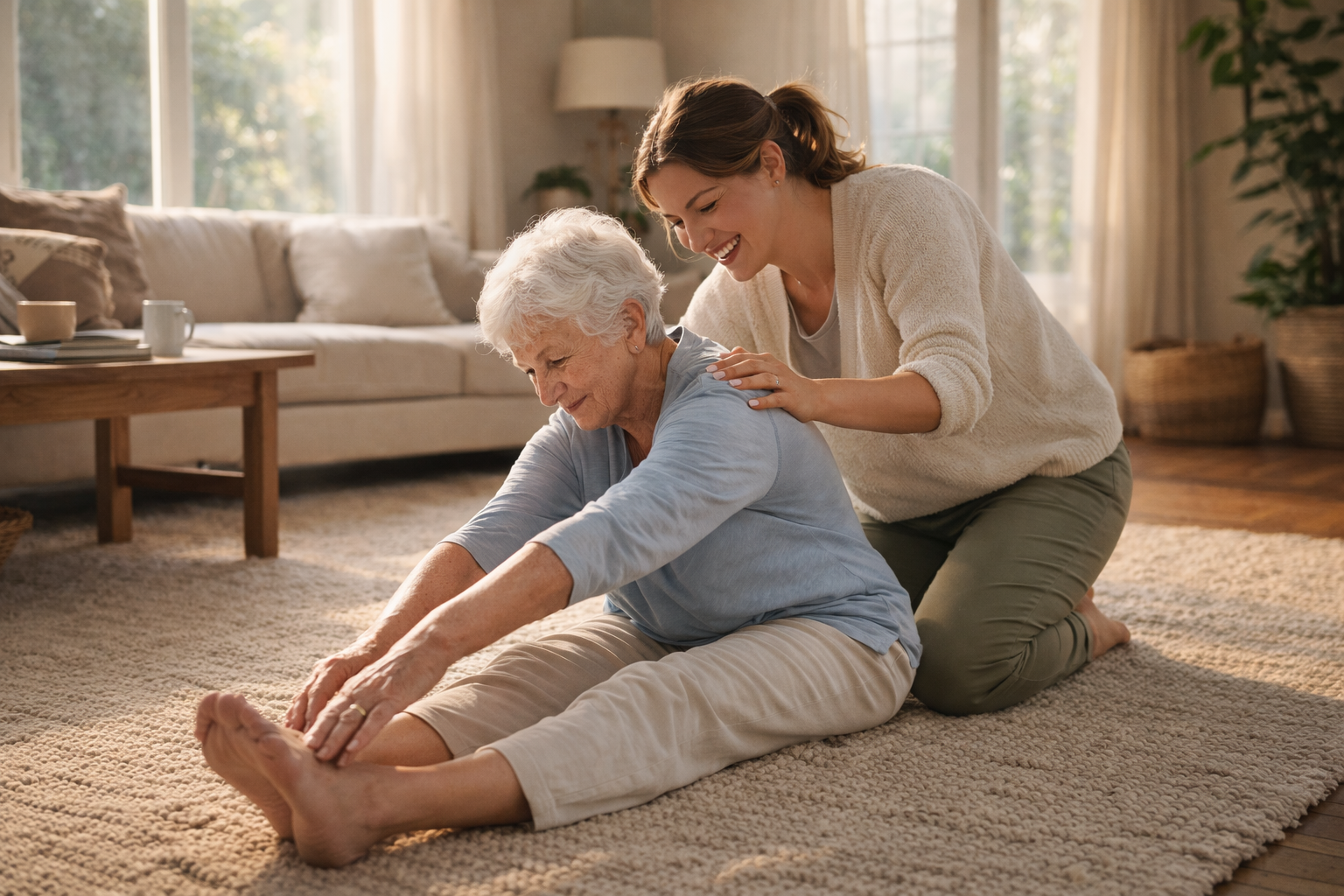
- Mobility Coordination: We help connect families with the right physical therapy and strength-building resources.
- Dignity-First Care: We talk to your loved ones, not about them, ensuring they feel like the CEO of their own life.
If you’ve noticed a change in a loved one’s gait, or if they’ve had a “minor” trip recently, don’t wait for the hospital to call you. Reach out and contact us today. We can help you build a plan that keeps them safe, upright, and independent.
Join the Willow & Wells Community
We’re building a space for caregivers who are tired of the “wait and see” approach to aging.